



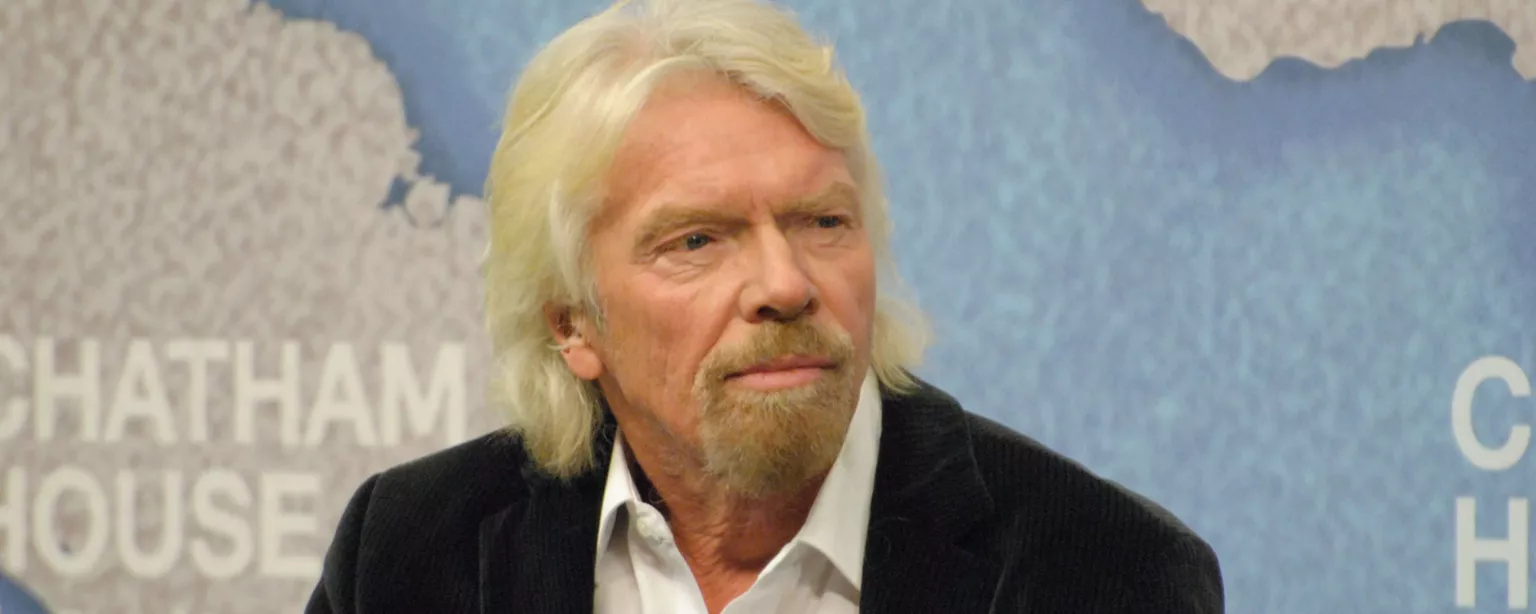
Sir Richard Branson isn't just an authority on entrepreneurialism, he knows a thing or two about leadership skills as well. Throughout his long history of running businesses, the Virgin Group founder has been a well-respected employer - someone who has created thousands of jobs for talented people around the world. He is known for his rule-breaking approach to leadership, one which encourages every employee to become an innovative thinker, who can add value in their own way.
Sir Richard Branson has always played an active role in the selection of who joins his business, recognising the importance of having the right people at the helm. He understands that his business leaders are the people charged with inspiring and motivating the workforce, not just merely organising and monitoring productivity. As such, there are a number of qualities Sir Richard Branson looks for in his employees – here’s a list of the qualities and attributed that he looks for:
1. The ability to think differently
"Leadership doesn't have a secret formula; all true leaders go about things in their own way," Sir Richard noted in an interview with the Daily Telegraph. It’s the leadership skill of being able to think differently that sets them apart. He contrasted his own leadership style – which is collaborative and democratic – to that of the late Steve Jobs (co-founder of Apple), who was known for his autocratic style. Despite their differences, both have experienced great success with their own philosophy and approach. There are no hard and fast rules about which leadership skills work the best; it is all about choosing a style that fits the organisation and optimises the talent available.
2. An eye for talent
Sir Richard Branson believes it is important that business leaders have an eye for talent, and an ability to get the most out of their employees. "What leadership boils down to is people," he noted. "Whatever your style, whatever your method, you need to believe in yourself, your ideas and your staff. Nobody can be successful alone and you cannot be a great leader without great people to lead." He claimed that employers need to hire people who have the necessary skills, experience and drive, but are also a good cultural fit for the business.
Related: How to recruit the ideal employee
3. A positive company culture
In Sir Richard's view, qualifications are far from the be-all and end-all, when it comes to leading people. His philosophy is "personality before CV" – ensuring people who want to work at senior level have the soft skills required to unite and direct staff as well as strong leadership skills. "A person who has multiple degrees in your field isn’t always better than someone with broad experience and a wonderful personality," he told Forbes. "I like to take chances on people, and whenever possible, promote from within -- it sends a great message to everyone in the company."
Sir Richard Branson said the best candidates take their roles seriously and lead from the front, but are also quick to see the lighter side of life. Another one of his leadership quotes; “Some 80% of your life is spent working. You want to have fun at home; why shouldn’t you have fun at work?” Looking for leadership who are eager to have fun a work will pass that on enthusiasm on to other employees in the company, supporting a positive work environment.
4. The ability to delegate
Successful business leaders master the art of delegation, helping to reduce their own workload and give opportunities to ambitious employees. "I have always believed in the art of delegation finding the best possible people for Virgin and giving them the freedom and encouragement to flourish," Sir Richard Branson told the Daily Telegraph. "If you are not always there, it forces other people to call the shots, which in turn improves their own leadership skills, builds their confidence and strengthens your business." He said that, whatever the philosophy a business leader has, they must give other people the space to thrive. “Employees want to know… am I being listened to or am I a cog in the wheel? People really need to feel wanted.” One way people can feel valued is being provided the opportunity to learn and take on new tasks.
5. Willingness to listen and learn
According to the Virgin founder, it is vital that business leaders are able and willing to listen and learn. This is because nobody - no matter how senior they are, or how impressive their CV - has a monopoly on good ideas or good advice. "As a leader you should always be listening. Be visible, note down what you hear and you'll be surprised how much you learn," he advised. Speaking to Forbes, he claimed that learning and leadership skills go hand in hand. "Too much credit goes to me for what we have achieved at Virgin," he claimed. "The successes happen from working and learning with some of the world’s most inspiring and inspired people."
6. A hands-on approach
Sir Richard Branson believes great business leaders should have good leadership skills, be highly visible, engaging with employees and making things happen wherever possible. "Walk the floor, get to know your people," Branson urged. "Even though I don't run Virgin's companies on a day-to-day basis any more, I still find it crucial to get out and about among our staff." Being engaged with the business and employees will help to ensure that your employees see you as part of the team, not just the people watching from afar.
7. Make decisions (and move on from mistakes)
Business leaders need to be collaborative, in order to get their most out of their people, but they must also know when to make a firm, final decision. Sir Richard said it is vital to know your own mind, and "walk the walk, as well as talk the talk". He claimed that "nobody respects a leader who doesn't know how to get his hands dirty and innovate personally". Sir Richard Branson suggested that the key is to strike a balance between empowering staff and setting an example to follow. "There will be times when strong and decisive leadership is necessary, to make sure the right moves are made," he stated.
When a decision doesn’t work out as planned, Sir Richard Branson credits his background in competitive sports for the discipline, teamwork and leadership skills it can teach. “One key lesson I've learned, which applies far beyond the court, is to treat each point separately," said Branson. "Tennis, like business, moves so quickly that if you dwell on the past for even a few minutes, an opportunity will have passed and the moment will be lost. You have to get into the right frame of mind in order to perform your best, and need to be able to put setbacks behind you instantly.” It’s critical to move on from the last mistake and focus on the next challenge.
8. Attention to detail
Sir Richard Branson thinks effective leaders pay close attention to detail. "If you place the emphasis on getting the little things right, and address the everyday problems that come up, you can encourage a culture of attention to detail," he claimed. Sir Richard Branson told the Daily Telegraph it is possible to have "a lot of fun with relatively tiny issues", whether this involves dealing personally with customer complaints or paying a surprise visit to front-line staff.
9. Passion for the job
Ultimately, business leaders need to be passionate about what they do – making strategic decisions, building team and motivating employees to give their all. "You are far more likely to be inspired and have great ideas if you love what you do, and can instil that spirit of fun throughout your company," Sir Richard claimed. "Finding gaps in the market, and creating products that make a real difference to people’s lives, can only be accomplished if you have passion for what you are doing." He said that if business leaders do something they are proud of, this filters down through the
A successful business leader
For every professional looking to advance their careers, and element of every promotion will include the development of a wide range of attributes and qualities requiring leadership skills.
To be a successful business leader and climb the higher rungs of your career ladder, your ability to lead a project, lead a team, lead a department and inspire a business will need to improve.
Note: This article was originally posted in January 2015 and has been updated to reflect more current information.

Robert Half is a leading executive recruitment agency. Send your CV to a specialist executive search consultant or if you are looking to hire senior leadership tell us your hiring needs.
.jpg)

